How Do Peptide Facilities Strictly Control Microorganisms in Cleanrooms to Meet Premium Skincare Ingredient Standards?
In the premium skincare industry, peptides have become star ingredients in anti-aging, barrier-repair, and other core formulations due to their clear pathways of modification and high biological activity. Because end-use skincare products are applied directly to the skin surface, brand owners enforce exceptionally stringent safety standards regarding microbial metrics (such as total aerobic microbial count, molds, yeasts, and specific pathogens) for raw materials. To satisfy these rigorous demands, professional peptide facilities focus their operations on cleanroom environmental control and comprehensive microbial defense systems.
1. Implementing High-Standard Air Purification and Zonal Management
The core production zones of a peptide facility—such as the purification, concentration, lyophilization, and packaging workshops—are typically constructed as Class 10,000 (ISO 7) or localized Class 100 (ISO 5) cleanrooms in strict accordance with international and industry standards.
Air Filtration Systems: The workshops are universally equipped with High-Efficiency Particulate Air (HEPA) filters. Through three-stage filtration and continuous air displacement, they strictly intercept microbial particles attached to airborne dust.
Differential Pressure Control: By maintaining a positive pressure gradient between zones of varying cleanliness levels, the facility ensures that unfiltered outside air cannot backflow into core manufacturing areas, erecting a primary physical barrier across the space.
2. Strictly Regulating Personnel Management and Dynamic Cleanliness
Personnel represent the largest potential source of microbial contamination within a cleanroom. Peptide facilities mitigate this risk by establishing incredibly strict Standard Operating Procedures (SOPs) for entry and exit.
Gowning and Sanitization Procedures: Before entering the workshop, production personnel must go through a meticulous series of steps, including changing shoes, removing outer clothing, washing and drying hands, donning dust-free cleanroom suits, and wearing sterile gloves and masks, followed by a final full-body sanitization in an air shower.
Access Restrictions and Controlled Movements: The number of personnel and the frequency of movement within the clean zone are strictly limited. Operators are required to maintain smooth, deliberate movements to prevent the shedding of skin flakes or particulates caused by sudden actions, minimizing the risk of human-introduced microbial contamination.
3. Aseptic Post-Processing of Manufacturing Equipment and Materials
During the purification and lyophilization phases following synthesis, the material faces its highest risk of exposure to the external environment, making this stage a top priority for the facility's quality control.
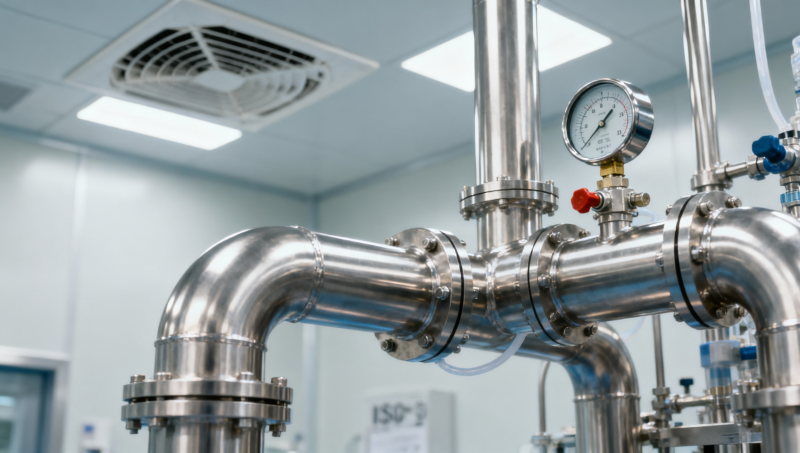
Fully Enclosed Pipelines and CIP Systems: The transfer of high-purity peptides relies heavily on fully enclosed pipelines equipped with Clean-in-Place (CIP) and Sterilization-in-Place (SIP) systems, which regularly sterilize lines and reaction vessels using high-temperature, high-pressure, or chemical methods.
Sterile Dispensing and Testing: Final vacuum freeze-drying, weighing, and packaging are all completed under Class 100 ultra-clean benches. Prior to release, the Quality Control (QC) team conducts rigorous microbial culturing and testing on every batch, ensuring that all metrics fully comply with the compliance standards required for premium skincare products.
In summary, microbial control at a peptide facility does not rely solely on final product testing; rather, "aseptic management" is woven into every minute aspect of space, personnel, equipment, and process. It is this full-process, precision defense that ensures every single gram of peptide raw material leaving the facility delivers both high activity and absolute safety.